
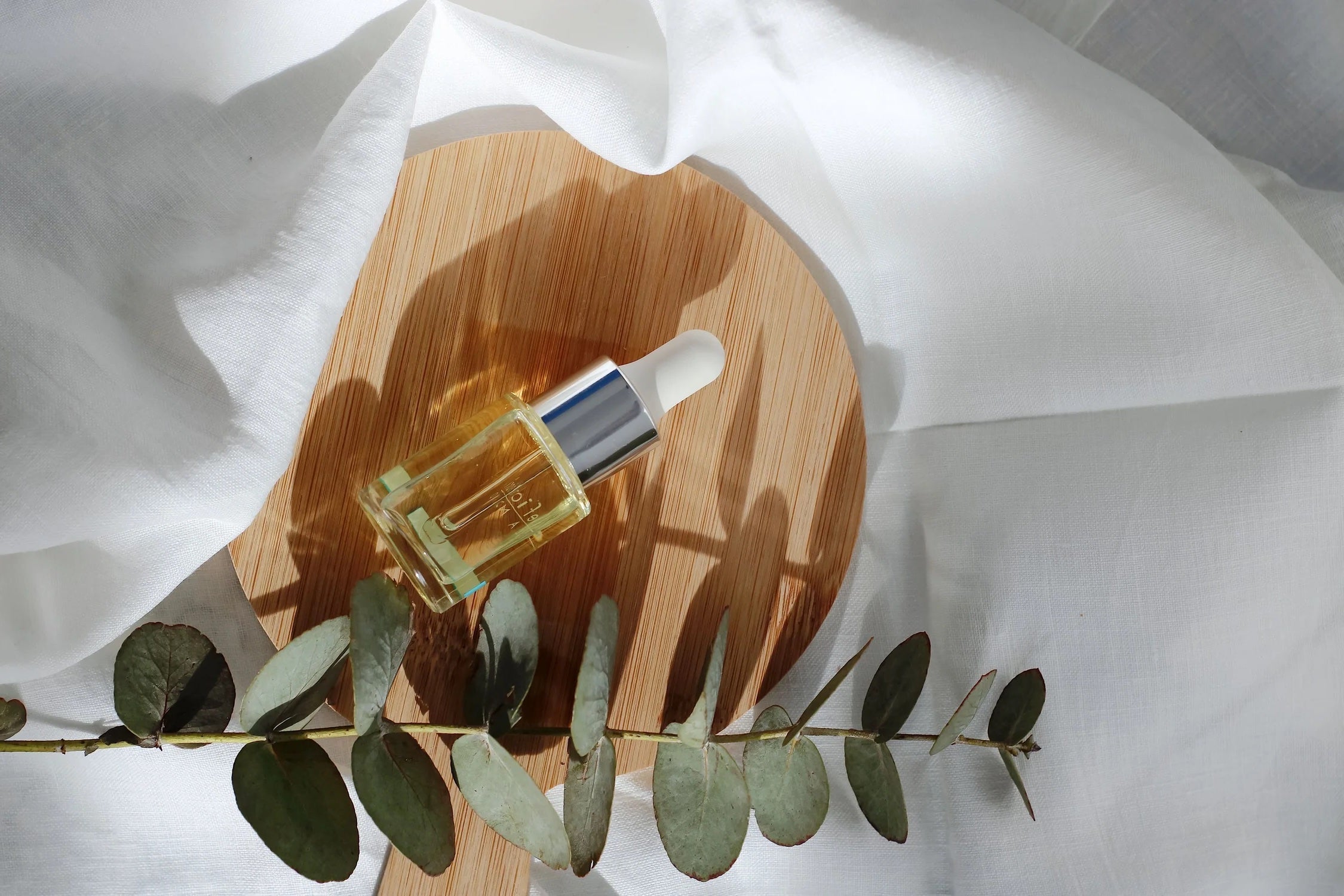
Natural cosmetics, naturally sourced, organic, clean, vegan? What are the differences?
As consumers, we are increasingly concerned about the quality of the ingredients and the manufacturing processes used. It is true that natural or organic cosmetics are generating more and more interest.
With the emergence of new, more virtuous niche brands, and the large brands that now use a more “green” lexicon to feel better about themselves (and make us buy), it can sometimes be difficult to navigate.
However, there are several (regulated) categories in cosmetics with often significant differences.
So, what are the differences between “natural”, “naturally sourced”, “organic”, “clean”, and “vegan” cosmetics?
(A small aside, we will not address conventional cosmetics that use a high rate of synthetic ingredients because no brand will communicate that they make “chemical” cosmetics.)
In reality, the important thing is to talk about the ingredient. Because in each category, the brand can use a certain percentage of the following ingredients, more or less low.

“Naturally sourced” ingredient
It is an ingredient that originates from a natural element, and has undergone a chemical transformation to be found in the form of an ingredient in your cosmetic.
That is to say, the ingredient does not exist as such in nature, but had to be modified to be usable.
For example, sodium cocoyl isethionate is a surfactant (cleansing, foaming agent) derived from coconut oil. To be found in the form of a cosmetic ingredient, it underwent a chemical transformation using ethylene oxide, which is a toxic and flammable gas. Classified as a mutagenic and carcinogenic substance for humans by the IARC, it also raises ecological questions in the case of discharge into the environment.
Or even petroleum jelly, which is a distillate of petroleum (Petrolatum on the INCI list). It could be mentioned as “naturally sourced”.
So be careful, “naturally sourced” does not mean “natural”. Some brands play on the natural origin of an ingredient (often highlighted on the front of the packaging with a high % or a star ingredient with a nice photo of a plant) while omitting to mention that it must first go through a transformation step, involving the use of substances that can sometimes be very toxic.
A “naturally sourced” ingredient is not necessarily “clean”.

“Natural” ingredient
This is a product of plant, animal, or mineral origin, which is present in nature, as is, or which has undergone a transformation by traditional mechanical actions (pressing, distillation) for the purpose of extracting the ingredient.
For example, olive oil is not present as such in nature, but comes from olives that are crushed and pressed to obtain oil.
Palm oil is also a natural ingredient, as it comes from palm nuts that are crushed, ground, and pressed to obtain oil. But its use is controversial because its cultivation and harvesting are a disaster for the environment (deforestation) and for society (child labor)(cf. France 2 Cash Investigation broadcast on October 20, 2022 "Companies, sponsorship, associations: dangerous liaisons" available on Youtube).
A natural ingredient may also contain pesticides if it is not subject to the specifications of organic farming.
Natural does not always mean "clean."

“Organic” ingredient
This is a ingredient composed of organic ingredients or raw materials. These elements must be certified by an approved control body. For example, the AB label (organic farming) recognized by the European Union and in Switzerland certifies a farming where the use of products from synthesis chemistry is prohibited.
In cosmetics, a brand can choose to have its final product certified if it meets the specifications of one of the organic labels and contains a certain % of ingredients from organic farming.
For example, to obtain the COSMOS Organic logo, the product must contain at least 95% of ingredients of natural origin (water and minerals considered as natural), at least 95% of organic ingredients from all plants, and at least 10% of organic ingredients in the total product (water and minerals considered as non-organic because they are not cultivated) for rinsed products (soaps, cleansing gels...) and 20% in the case of non-rinsed products (day cream, body oil...).
Some specifications of organic labels allow ecotoxic substances, irritants, or polluting production methods.
Moreover, a certified "organic" cosmetic may contain a portion of "non-organic" ingredients (natural or of natural origin), grown with pesticides, or processed with toxic gases.
Again, "organic" does not mean "clean" and it may be interesting to check the specifications of cosmetic labels to know their requirements for obtaining logos. The information is easily accessible on the labels' websites to make your choice.

“Clean” ingredients
An ingredient is defined as "clean" by a brand, according to its own internal specifications. It will have defined a list of ingredients it wishes to avoid (e.g., sulfates, silicones) and if the products it puts on the market comply with its list, it will consider its products to be "clean."
Since it is a term that is not regulated, it can be used in multiple ways.
Normally, "clean" in common sense should refer to a product that does not contain any ingredient that could be harmful to health and the environment. But you really need to decipher the ingredients on the INCI list to form your own opinion.

“Vegan” ingredient
This is an ingredient whose origin is not animal.
You will not find milk, honey, or lanolin (sheep wool grease) in "vegan" cosmetics, for example, even if they are natural ingredients.
Just as a "bio" cosmetic is not necessarily "vegan" and vice versa.
Good to know: collagen, glycerin, and keratin are derived from animal proteins. But they can also be of plant origin. The simplest way to know their origin is if the brand indicates that the product is vegan (in which case the origin will be plant-based); otherwise, you will need to ask them to find out.
What about Eliott & Eloée?
At Eliott & Eloée, the products are natural and vegan. We use a high percentage of organic ingredients, which would largely allow us to be certified organic, but certification is expensive and initially, we preferred to allocate the budget to the quality of the ingredients rather than reducing the share of organic ingredients in the products in order to afford certification, marketing around it...
Furthermore, we have not yet found any label that meets our strict requirements regarding the quantity and quality of ingredients. For us, a label that allows ecotoxic or irritating substances is not an option. Nor is the possibility of including only 10% organic ingredients in a rinsed product (like soap) or even 20%. That is far too little and does not fit our definition of organic.
We prefer to provide you with information on product sheets and indicate with an asterisk which ingredients are from organic farming. And to choose the ingredients ourselves from producers who are labeled AB (Organic Farming).
If you have any questions, feel free to write to us :)
Read more
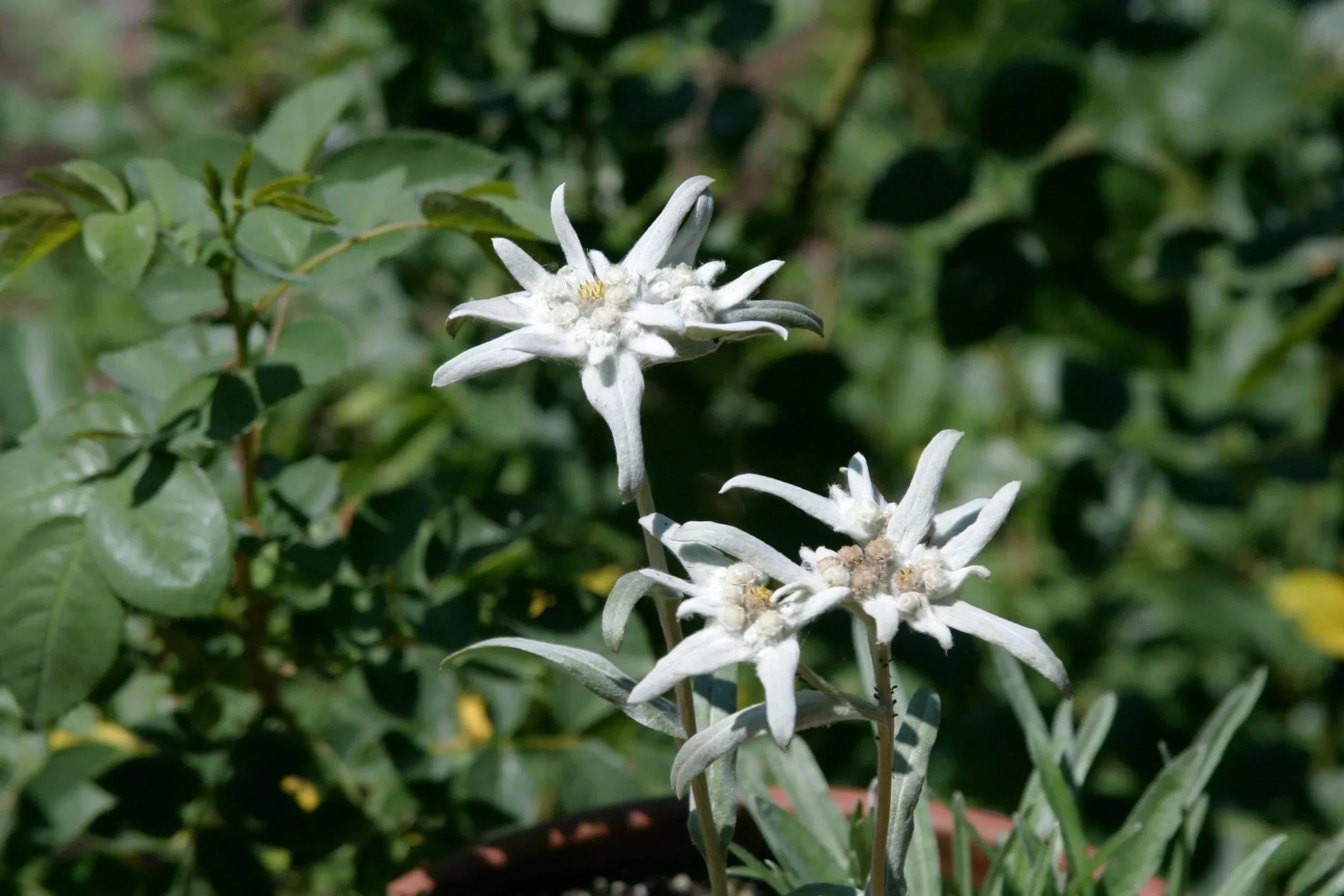
“Mom, the teacher told us that if we see an edelweiss in nature we are not allowed to pick it. Did you know?” It was this phrase from my daughter coming home from school the other day that ins...

First of all, what is oleo-lime liniment? It is simply a natural cleansing milk, very practical for replacing the use of disposable wipes or replacing a cleansing water that, while smelling go...